
3 Essentials for ADHD-Friendly Home Organization Systems
To create an ADHD-friendly home organization system, you'll want to focus on three essential elements. First, simplify and streamline your spaces by purging clutter, assigning designated spots for everything, and making it easier to concentrate. Next, create visual reminders easily using color-coded labels, picture schedules, and sticky notes to help trigger your memory. Finally, establish consistent routines by anchoring daily activities, prioritizing tasks, and performing them at the same time every day. By implementing these elements, you'll be well on your way to a clutter-free environment that sparks productivity - and there's more to explore to help you get there.
Key Takeaways
• Simplify and declutter spaces to reduce distractions, improve focus, and enhance concentration.
• Establish consistent routines and schedules to build habits and rely less on willpower.
• Use visual reminders, such as color-coded labels and picture schedules, to trigger memory and reduce stress.
• Implement task management strategies, like prioritizing and breaking down projects, to increase productivity.
• Utilize tools and organizational aids, such as planners and apps, to stay on track and maintain control.
Simplify and Streamline Spaces
To create an ADHD-friendly home organization system, start by purging clutter and simplifying your spaces. Excessive visual stimulation can exacerbate symptoms and decrease focus. You'll want to declutter spaces, getting rid of items that are no longer useful or necessary. This helps reduce distractions and makes it easier to concentrate.
Next, streamline processes by assigning a designated spot for everything. This makes it easier to find what you need when you need it.
Create Visual Reminders Easily
Your ADHD-friendly home organization system should incorporate visual reminders that help you stay on track, such as color-coded calendars, sticky notes, or reminders on your phone. These visual cues can help trigger your memory and reduce stress.
Here are some ways to create visual reminders easily:
-
Use color-coded labels: Assign specific colors to different tasks, categories, or priorities to create a visual system that's easy to follow.
-
Create picture schedules: Visualize your daily or weekly routine using pictures or icons to help you stay on track.
-
Post sticky notes strategically: Place sticky notes in areas where you'll see them often, such as on your fridge, mirror, or computer monitor.
- Set visual reminders on your phone: Use apps or features that allow you to set visual reminders, such as images or icons, to help you remember important tasks or events.
Establish Consistent Routines
By establishing consistent routines, you anchor your daily activities in a sense of structure and predictability, allowing your brain to better navigate the complexities of ADHD. This helps your brain rely on habits rather than willpower, making it easier to stay on track.
Start by creating a daily schedule that outlines your morning and evening routines, as well as dedicated time for tasks and activities. Be realistic about how much time each task will take, and leave some buffer room for flexibility.
Next, create task lists that break down larger projects into manageable chunks. Prioritize tasks based on importance and deadlines, and focus on completing one task at a time. Use a planner, app, or tool that works for you to stay organized and on track.
Consistency is key, so try to perform tasks at the same time every day or week. By establishing routines and using tools like daily schedules and task lists, you'll be better equipped to manage your time, reduce stress, and increase productivity.
With consistent routines, you'll feel more in control and confident in your ability to tackle daily challenges.
Frequently Asked Questions
How Do I Keep Clutter From Building up Again Over Time?
To avoid clutter buildup, you'll establish daily routines for clutter management, like 10-minute tidy sessions, and create sustainable habits that prevent overwhelm, ensuring a clutter-free space that stays organized over time.
Can Adhd-Friendly Organization Systems Be Adapted for Small Spaces?
You can adapt organization systems to fit small spaces by incorporating space-saving solutions, such as vertical shelving and multi-functional furniture, and getting creative with storage options, like hidden compartments and stackable containers.
Are There Any Specific Organization Tools That Work Best for Adhd?
When it comes to staying organized, you'll find that color-coded labels help you visually categorize tasks, while digital reminders, like apps or alarms, provide auditory cues to keep you on track and focused.
How Do I Involve My Family Members in the Organization Process?
You involve family members in the organization process by making it a team effort, setting clear boundaries, and communicating expectations, while offering rewards for participation, fostering a sense of ownership and accountability.
Will I Need to Reorganize My Entire Home at Once or Can I Start Small?
Imagine you're climbing a mountain, not leaping to the summit; you'll reach the top with incremental changes, room by room updates, and slow progress through step-by-step adjustments, allowing you to conquer the organization challenge without feeling overwhelmed.
Related Posts
-
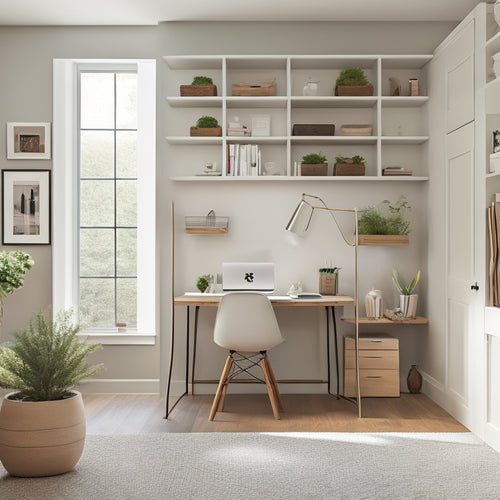
Optimize Your Small Home Office With Smart Storage
You can instantly boost your productivity and reduce stress by optimizing your small home office with smart storage s...
-
Simplify Your Space: Downsizing Tips for Seniors
You're ready to simplify your space and create a more peaceful living environment. Start by gathering boxes, bins, an...
-
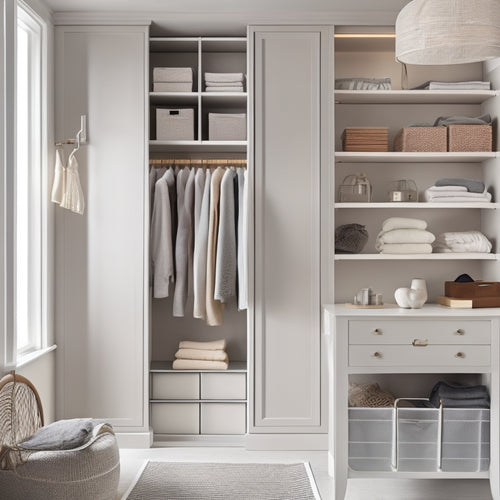
Mastering Small Closet Organization: Proven Strategies Unlocked
You're about to reveal the secret to transforming your small closet into a functional haven, where every item has its...
