
Essential Online Courses for Minimalist Living Beginners
You're ready to trade chaos for calm and clutter for clarity. Start with essential online courses like Decluttering 101, Simplifying Your Digital Life, and Mindful Consumption Strategies. Learn to organize small spaces effectively and build a minimalist wardrobe that sparks joy. As you progress, you'll discover the benefits of sustainable living, from reducing plastic waste to cultivating emotional freedom. With each course, you'll gain confidence in your ability to create a clutter-free home office and adopt simple sustainable habits. Take the first step towards a life of intention and simplicity - and uncover the transformative power of minimalist living that awaits you.
Key Takeaways
• Decluttering 101: Getting Started is a fundamental course for minimalist living beginners to learn the basics of decluttering and organizing.
• Simplifying Your Digital Life helps minimize digital clutter and optimize digital tools for a more organized and focused life.
• Mindful Consumption Strategies teaches beginners how to adopt a mindful approach to consumption, reducing waste and promoting sustainability.
• Organizing Small Spaces Effectively provides practical tips and strategies for maximizing storage and functionality in small living spaces.
• Building a Minimalist Wardrobe guides learners in creating a capsule wardrobe that promotes simplicity, sustainability, and personal style.
Decluttering 101: Getting Started
Start by acknowledging that decluttering is a journey, not a destination, and that it's okay to take it one step at a time, beginning with a single area or category of items that feels overwhelming to you. This mindset shift will help you approach decluttering with a sense of calm and control.
Begin with a small space, like your nightstand or a single shelf, and sort items into three piles: keep, donate/sell, and discard. Be honest with yourself about each item – when was the last time you used it, and does it bring you joy?
As you declutter, consider adopting minimalist decor ideas, such as using multi-functional furniture or opting for a neutral color palette. Effective decluttering techniques, like the 'one in, one out' rule, can also help you maintain your space over time.
Simplifying Your Digital Life
As you've started to declutter your physical space, addressing the digital clutter that's probably burdening you, from overflowing inboxes to outdated apps and forgotten login credentials, is pivotal.
You're likely feeling overwhelmed by the constant notifications, endless scrolling, and pressure to stay connected 24/7. It's time to simplify your digital life.
Start by implementing digital detox techniques, such as setting boundaries around your screen time, deleting unused apps, and unsubscribing from unnecessary emails. This will help you minimize distractions and free up mental energy.
Next, streamline your online activities by prioritizing intentional screen time. Ask yourself, 'What do I want to achieve online, and how can I do it efficiently?' Focus on the tasks that bring you value, and eliminate the rest.
Mindful Consumption Strategies
As you embark on your minimalist journey, developing mindful consumption strategies that align with your values is crucial. You'll learn to prioritize what genuinely adds value to your life and reduce unnecessary purchases that can result in clutter and waste.
Buy Only What Matters
You've likely caught yourself mindlessly scrolling through online marketplaces or wandering into stores, only to leave with purchases that now collect dust, a stark reminder that you didn't truly need them. This habit of buying on impulse can lead to clutter, debt, and a sense of guilt.
To break free from this cycle, adopting mindful spending habits is crucial. Start by prioritizing your needs over your wants. Ask yourself if the item you're about to buy will truly add value to your life. Will it solve a problem, save you time, or bring you joy? If not, consider letting it go. Remember, every purchase should align with your values and goals.
Avoid Impulse Purchases Now
Implement a 30-day waiting period for non-essential items, allowing yourself time to assess whether the initial desire was just an impulsive want or a genuine need that aligns with your values. This simple strategy can help you develop mindful spending habits and resist temptations. By delaying your purchases, you'll have time to reflect on your motivations and priorities, making more intentional decisions about what you bring into your life.
Here are three benefits of implementing a 30-day waiting period:
-
Reduces impulse buys: You'll be less likely to make impulsive purchases driven by emotions or external pressures.
-
Saves money: By waiting, you may realize you don't need the item after all, saving you money and reducing waste.
-
Increases self-awareness: You'll gain insight into your spending habits and values, helping you make more conscious choices that align with your goals.
Use The 30-Wear Rule
Your closet is likely filled with clothes that don't see the light of day, so it's time to apply the 30-wear rule to make sure every piece earns its keep. This rule encourages you to wear each item at least 30 times before considering it a valuable addition to your wardrobe. By doing so, you'll cultivate a more mindful approach to consumption, reducing waste and promoting sustainable fashion.
| Before the 30-Wear Rule | After the 30-Wear Rule |
|---|---|
| Cluttered closet with unworn clothes | Streamlined capsule wardrobe |
| Frequent impulse purchases | Intentional, thoughtful buying |
| Waste and unnecessary spending | Reduced waste, saved money |
| Lack of personal style | Defined, confident personal style |
Organizing Small Spaces Effectively
Living in a small space can be overwhelming, but by deploying a few strategic organizing techniques, you can create a sense of calm and control. You'll be amazed at how a few simple tweaks can transform your tiny abode into a haven of serenity.
Here are three essential small space solutions to get you started:
-
Maximize vertical storage: Install shelves, hooks, or storage units that go up to the ceiling to make the most of your limited floor space.
-
Opt for multi-functional furniture: Invest in pieces that serve multiple purposes, such as a storage ottoman or a desk with built-in shelving.
-
Edit and curate your decor: Choose a few statement pieces that create visual appeal, and ditch the rest. This will help you avoid clutter and create a sense of calm.
Building a Minimalist Wardrobe
Ditching the overwhelming abundance of clothes in your closet can be a liberating experience, allowing you to focus on what truly makes you feel confident and comfortable. By embracing a minimalist wardrobe, you'll save time, reduce decision fatigue, and cultivate a sense of personal style that reflects your true self.
One effective approach is to create a capsule wardrobe, consisting of a limited number of essential pieces that can be mixed and matched to create multiple outfits. This streamlined approach encourages you to think creatively about your clothing and invest in high-quality, timeless pieces that won't go out of style.
As you begin to build your minimalist wardrobe, ask yourself: what're the essential pieces that make me feel confident and comfortable? What're the items that bring me joy and make me feel like the best version of myself? By focusing on these questions, you'll be able to curate a wardrobe that not only simplifies your morning routine but also reflects your values and personal style.
Zero Waste Living Essentials
As you start your zero waste living journey, you're probably wondering where to begin.
You'll want to tackle the biggest culprit first: reducing plastic use in your daily life.
Reducing Plastic Use
You'll be surprised at how quickly you can cut back on single-use plastics by swapping out a few everyday staples for reusable alternatives. By incorporating eco-friendly habits into your daily routine, you'll be well on your way to creating a plastic-free kitchen.
Here are three simple changes you can make today:
-
Ditch the disposable water bottles: Invest in a refillable water bottle made from stainless steel or glass. Not only will you reduce plastic waste, but you'll also save money in the long run.
-
Say goodbye to plastic wrap: Replace plastic wrap with beeswax wraps or reusable containers to store your food. These alternatives are easy to clean and can be used multiple times.
-
Switch to a reusable coffee cup: Make the switch to a reusable coffee cup made from materials like ceramic or glass. Many coffee shops even offer discounts for customers who bring their own cups!
Simple Swaps for Home
Transform your living space into a zero-waste haven by incorporating simple, effective swaps into your daily routine. You can start by replacing paper towels with reusable cloths, which can be washed and reused multiple times. This eco-friendly swap won't only reduce your waste but also save you money in the long run.
Another budget-friendly tip is to switch to refillable cleaning products. Instead of buying bottles of cleaning solutions, opt for concentrated refills that can be diluted with water. This will markedly reduce your plastic waste and minimize the amount of chemicals used in your home.
In addition, consider swapping traditional light bulbs with energy-efficient LED bulbs. Not only do they last longer, but they also use considerably less energy, reducing your carbon footprint.
Decluttering for Emotional Freedom
Cluttered spaces often mirror cluttered minds, and by letting go of physical possessions, you're creating room for emotional clarity and freedom. This journey towards decluttering isn't just about tidying up your living space; it's about clearing the mental and emotional clutter that's holding you back.
By releasing the weight of physical possessions, you're making space for emotional wellbeing and mental clarity.
Here are three ways decluttering can impact your emotional freedom:
-
Reducing anxiety: Clutter can contribute to feelings of overwhelm and anxiety. By decluttering, you're creating a sense of calm and control over your environment.
-
Increasing self-awareness: The process of decluttering forces you to confront your values and priorities, helping you identify what's truly important to you.
-
Cultivating gratitude: Decluttering helps you appreciate what you already have, rather than constantly desiring more. This mindset shift can lead to a greater sense of contentment and gratitude.
Creating a Clutter-Free Home Office
As you regularly dedicate time to your work-from-home routine, creating a clutter-free home office becomes essential to staying focused and productive. You'll be amazed at how a well-organized space can boost your energy and motivation.
Start by decluttering your desk and surrounding areas, sorting items into categories, and allocating a designated spot for each item. Invest in an efficient workspace with minimalist decor, allowing your eyes to rest on a clean and calming environment.
Next, aim to create a paperless office by digitizing your documents and files. This won't only free up physical space but also reduce stress and anxiety associated with paper clutter. Explore digital organization tools and apps that suit your work style, and set up a system for categorizing and storing your digital files.
With a clutter-free home office, you'll be able to tackle tasks with clarity and precision, feeling more in control of your work and life. By implementing these simple yet effective strategies, you'll be well on your way to creating a peaceful and productive workspace that supports your minimalist lifestyle.
Sustainable Living for Beginners
How can you make a significant impact on the planet by adopting simple yet powerful sustainable habits in your daily life?
The truth is, you don't need to make drastic changes to make a difference. By incorporating eco-friendly practices into your daily routine, you can reduce your carbon footprint and contribute to a healthier planet.
Here are three ways to get started:
-
Swap single-use plastics for reusable alternatives: Ditch single-use bags, water bottles, and straws for budget-friendly, eco-friendly options. You'll be surprised at how much waste you can reduce.
-
Choose sustainable materials for your home decor: When it's time to redecorate, opt for minimalist decor made from sustainable materials like reclaimed wood, bamboo, or repurposed items. Not only will you reduce waste, but you'll also create a unique, eco-friendly space.
-
Start small with energy-efficient habits: Simple changes like turning off lights when not in use, using power strips, and upgrading to energy-efficient light bulbs can make a big impact over time.
Frequently Asked Questions
How Do I Maintain Motivation During the Decluttering Process?
'As you begin on this challenging task, remember that decluttering is a journey, not a destination. You'll stay motivated by shifting your mindset, finding accountability partners, tracking progress, and rewarding yourself - it's a holistic approach to a clutter-free you!'
Can Minimalism Be Applied to a Large or Shared Living Space?
You can definitely apply minimalism to a large or shared living space, but be prepared to face unique downsizing challenges. Start by communicating with your household members to set common goals and divide responsibilities.
Are There Any Free or Low-Cost Minimalist Online Courses Available?
You're looking for affordable ways to learn about minimalism! Yes, there are free or low-cost online courses on minimalist budgeting and sustainable living that can help you simplify your life without breaking the bank.
How Do I Involve or Convince Family Members to Adopt Minimalism?
You're the ripple effect, sparking change in your family's pond. Start with open family discussions, sharing the benefits of a minimalist lifestyle, and gently encourage others to dip their toes into minimalism adoption, leading to a harmonious, clutter-free haven.
Can Minimalism Be Adapted for People With Sentimental Attachment Issues?
You can adapt minimalism to your sentimental attachment issues by acknowledging the emotional value of sentimental items, then letting go of the guilt and emotional clutter, which simplifies relationships and allows you to focus on what truly matters.
Related Posts
-
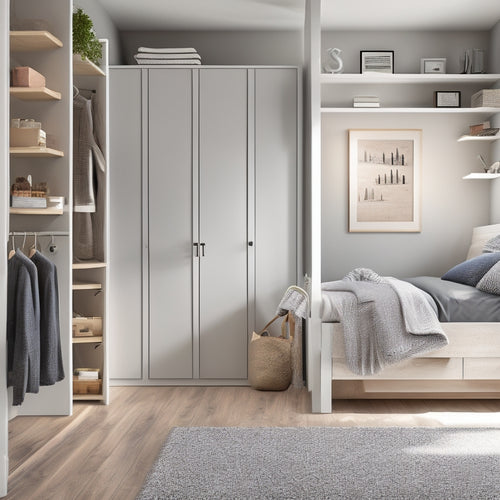
7 Clever Hacks for Small Bedroom Storage
You're about to discover the secret to revealing generous storage in even the smallest of bedrooms. Start by maximizi...
