
What's Holding You Back From a Clutter-Free Home?
You're surrounded by clutter because you're stuck in a cycle of mental and physical disorganization, fueled by emotional attachments, inadequate storage, and ineffective time management. Your cluttered mind is reflected in your cluttered space, making it hard to focus and prioritize. Fear of letting go and limited storage solutions aren't helping. Digital disorganization hinders productivity, and overwhelming paper clutter overwhelms you. You struggle to create systems and maintain order, held back by unhealthy emotional attachments. Discover how to break free from these obstacles and uncover the strategies you need to achieve a clutter-free home and a clearer mind.
Key Takeaways
• Mental clutter and negative self-talk can paralyze decluttering efforts, making it difficult to let go of physical items.
• Emotional attachment to possessions, rooted in feelings of guilt, anxiety, or duty, hinders the ability to declutter and organize.
• Lack of storage solutions and ineffective organization systems lead to clutter accumulation and maintenance.
• Disorganized digital life, including emails and computer files, contributes to feelings of overwhelm and clutter in physical spaces.
• Failure to establish routines and prioritize tasks results in time management struggles, further exacerbating clutter and disorganization.
Cluttered Mind, Cluttered Space
As you struggle to organize your living or work space, take a closer look at your thought patterns, because a cluttered mind is often the root cause of a cluttered space.
You see, mental clutter can manifest as physical clutter, making it difficult to focus and prioritize. When your mind is overwhelmed with thoughts, worries, and distractions, it's hard to create a sense of order and structure in your environment.
Take a step back and assess your thought patterns. Are you holding onto negative self-talk, worries about the future, or regrets about the past? These mental clutter creators can lead to physical clutter, making it difficult to maintain a tidy and organized space.
Fear of Letting Go
As you attempt to declutter your space, you're likely to encounter a major obstacle: your own fear of letting go. This fear is rooted in emotional attachment, regret, and the concern that you'll lose cherished memories along with the items you're considering parting with.
Emotional Attachment Issues
You hold onto possessions because they evoke powerful emotions and memories, making it difficult to let go of items that remind you of happy times, loved ones, or significant events. This emotional attachment can be a significant obstacle in your decluttering process.
Sentimental items, such as photos, heirlooms, or gifts, can be especially hard to part with because of the sentimental value attached to them.
To overcome emotional attachment issues, consider the following coping mechanisms:
-
Take a photo: Take a picture of the item and let it go. This way, you'll still have the memory without the physical clutter.
-
Create a memory box: Designate a small box or container to store a few select sentimental items, and let go of the rest.
-
Create a ritual: Develop a ritual, such as lighting a candle or saying a small prayer, to help you let go of the item and the emotions attached to it.
Fear of Regret Remains
Fear of regret, fueled by the uncertainty of potentially needing an item in the future, holds you back from letting go of possessions that no longer serve you. This fear is rooted in the 'what if' scenarios that play in your mind, making it challenging for you to part with items that may be useful someday.
However, holding onto these items isn't only cluttering your space but also your mind. You're stuck in a state of indecision, unable to move forward.
To overcome this fear, shifting your mindset becomes crucial. Instead of focusing on the potential regret of letting go, concentrate on the benefits of embracing change. By releasing items that no longer serve you, you're making room for new experiences and opportunities. You're creating space for growth and progress.
Loss of Memories Lingers
Memories tied to possessions can be a powerful emotional anchor, making it difficult to part with items that hold sentimental value. You may worry that letting go of these items will erase the memories themselves.
However, holding onto everything can lead to clutter, making it harder to cherish the memories you want to preserve.
Here are three strategies to help you overcome this fear:
-
Take a photo: Capture the item and the memory it represents. This way, you'll have a visual record of the item without having to physically keep it.
-
Create a memory box: Choose a few select items that hold the most sentimental value and store them in a designated memory box or scrapbook. This allows you to preserve the memory while letting go of the rest.
-
Write down the story: Record the story behind the item and the memory it represents. This way, you'll have a written record of the memory, even if you let go of the physical item.
Lack of Storage Solutions
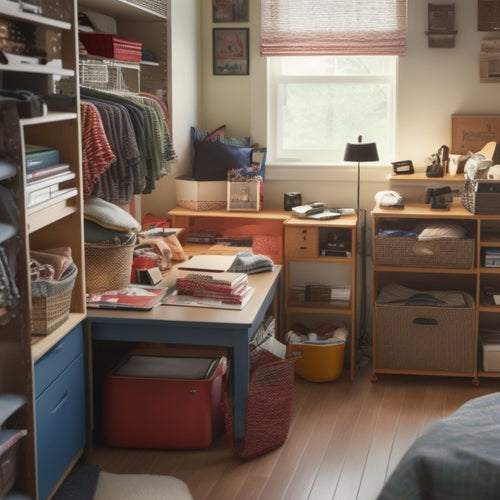
Cluttered spaces often stem from a fundamental issue: inadequate storage solutions that fail to maximize available space, leaving your belongings scattered and disorganized. This lack of storage can make you feel overwhelmed and frustrated, making it difficult to maintain a clutter-free home.
To overcome this challenge, you need to think creatively about storage solutions that maximize space. Consider installing shelves, hooks, or baskets in areas like your closet, kitchen, or entryway. These solutions can help keep items off the floor and out of sight, creating a sense of calm and organization.
Functional organization is key, so think about how you can group similar items together and store them in a way that makes sense for your daily routine. Additionally, don't forget that storage solutions can also be stylish. Look for decorative bins, baskets, and containers that add a touch of personality to your space while keeping clutter at bay.
Disorganized Digital Life
Your digital life is likely a mess of forgotten passwords, disorganized computer files, and overflowing inboxes, making it difficult to focus and find what you need when you need it. This digital clutter isn't only frustrating but also hinders your productivity and peace of mind.
To break free from digital hoarding habits, consider these digital declutter tips:
-
Organize your emails: Create folders and labels to categorize your emails, and unsubscribe from newsletters and promotional emails that clog your inbox.
-
Streamline your computer files: Set up a clear folder structure and use cloud storage solutions like Google Drive or Dropbox to access your files from anywhere.
-
Use a password manager: Tools like LastPass or 1Password can securely store and generate strong passwords, eliminating the need to remember multiple logins.
Time Management Struggles
Poor time management skills are stifling your productivity, leaving you feeling overwhelmed and stuck in a relentless cycle of procrastination and stress. You're not alone in this battle. Many individuals struggle to allocate their time effectively, resulting in a build-up of clutter and disarray in their homes.
To break free from this cycle, you need to prioritize your tasks. Make a list of what needs to be done, and then categorize each task based on its significance and urgency. Focus on completing the high-priority tasks first, and then move on to the less pressing ones. This will help you make the most of your time and energy.
Setting boundaries is also pivotal in effective time management. Learn to say no to non-essential tasks that can disrupt your schedule. Establish a routine that works for you, and stick to it.
Overwhelming Paper Clutter
You know the feeling - you're suffocating under a mountain of paperwork, and you're not even sure where to start. From unpaid bills to forgotten important documents, paper clutter can be overwhelming, causing stress and anxiety.
It's time to take control and tackle the chaos, starting with sorting out the mess and uncovering what's hiding beneath the piles.
Sorting Out the Mess
Paper clutter piles up quickly, overwhelming your space and mind with outdated bills, forgotten receipts, and useless documents. As you begin the decluttering process, addressing the sentimental items that often hinder you from attaining a minimalist lifestyle is crucial.
To sort out the mess, start by gathering all your paper clutter in one place. Then, categorize items into three piles:
-
Keep: vital documents, such as identification, insurance papers, and significant contracts.
-
Shred: outdated bills, receipts, and documents containing personal information.
-
Digitize: documents that can be scanned and stored electronically, like receipts for tax purposes or warranties.
While sorting, be firm in eliminating items that no longer serve a purpose. Implement organizing strategies, such as establishing a filing system or utilizing a paper tray, to sustain your newly decluttered space.
Stacks of Unpaid Bills
As you tackle the piles of paper clutter, a sense of dread often arises from confronting stacks of unpaid bills, which can be a significant contributor to feelings of anxiety and disorganization. Addressing this issue directly is crucial to regain control over your finances and living space.
Start by gathering all unpaid bills and sorting them by priority, focusing on the most urgent ones first. Implement budgeting techniques, like the 50/30/20 rule, to allocate your income effectively. Set aside a specific time each week to handle bill payments, minimizing distractions during this period.
Create an organization system, such as a bill calendar or folder, to keep track of due dates and payment status. By setting priorities and staying on top of your bills, you'll reduce feelings of overwhelm and anxiety. Remember, every small step counts, and managing your bills will pave the way for a more organized and clutter-free home.
Forgotten Important Documents
Buried beneath the chaos of unpaid bills and forgotten receipts, important documents like insurance policies, warranties, and identification documents are hiding in plain sight, waiting to be unearthed and organized. You know they're pivotal, but they're often overlooked in the mess. It's time to take control of your document organization and give these essential papers the attention they deserve.
Here are three essential steps to get you started:
-
Gather and categorize: Collect all your important paperwork and sort it into categories like 'insurance,' 'identification,' and 'warranties.'
-
Purge and declutter: Get rid of any unnecessary or outdated documents, and consider digitizing important papers to free up physical storage space.
-
Designate a home: Assign a specific place in your home for your organized documents, such as a file cabinet or binder, and make sure everyone in the household knows where to find them.
Difficulty Creating Systems
Your inability to create effective systems for managing clutter is a major obstacle standing between you and a clutter-free home. You're not alone in this struggle; many people face organizing challenges and decluttering struggles because they lack a clear plan.
Without a system in place, it's easy to get overwhelmed and stuck in a cycle of clutter accumulation.
To overcome this hurdle, focus on system creation and clutter management. Start by identifying the areas of your home where clutter tends to accumulate the most. Then, brainstorm ways to create systems that will help you maintain order in those areas.
For example, you might implement a 'one in, one out' policy for your closet or create a designated spot for mail and paperwork.
Unhealthy Emotional Attachments
Nearly every item in your home holds some emotional significance, but the unhealthy attachments to certain possessions that hinder you from letting go and achieving a clutter-free space. You might be holding onto items that remind you of happy memories, milestone events, or loved ones. While it's natural to feel emotionally connected to these items, it's crucial to acknowledge when these attachments are becoming unhealthy.
Here are three signs you might be struggling with unhealthy emotional attachments:
-
You feel overwhelming guilt or anxiety when contemplating releasing an item, even if it no longer serves a purpose or brings you joy.
-
You're holding onto items out of duty, such as keeping a gift from someone even though you don't like it or use it.
-
You're using possessions as a coping mechanism for emotional pain or trauma, making it challenging to part with items that provide comfort or distraction.
It's time to prioritize emotional decluttering and attachment therapy to help you break free from these unhealthy attachments. By recognizing and addressing these patterns, you can create a more balanced and organized living space that truly reflects your values and priorities.
Limited Home Organization Tools
With a cluttered space, it's likely that you're relying on makeshift storage solutions, such as cardboard boxes and piles of clutter, instead of implementing a cohesive home organization system. This lack of proper tools is hindering your efforts to achieve a clutter-free home.
You might think that DIY organization projects or decluttering hacks can help you get by, but without a solid foundation, you'll only be masking the problem. Limited home organization tools can lead to clutter buildup, making it difficult to maintain a tidy space.
Investing in the right tools, such as shelving units, storage bins, and labels, will help you create a functional and sustainable organization system. With the right tools, you can categorize and prioritize your belongings, making it easier to maintain a clutter-free home.
Start by identifying the areas that need improvement and invest in the necessary tools to get the job done. Remember, a well-organized home isn't just about aesthetics; it's about creating a space that promotes productivity, reduces stress, and improves your overall well-being.
Frequently Asked Questions
How Do I Involve My Family in the Decluttering Process?
When involving your family in decluttering, consider their unique perspectives and needs within your family dynamics. Motivate loved ones by explaining how decluttering benefits them, setting achievable tasks, and praising progress to create a collaborative, supportive environment.
Can I Declutter if I Have Limited Mobility or Energy?
Like a phoenix rising from the ashes, you can still declutter despite limited mobility or energy. You're not alone! Implement adaptive decluttering strategies and energy-saving decluttering tips, like breaking tasks into smaller chunks and enlisting helper hands, to conquer clutter at your own pace.
What if I'm Attached to Gifts From Loved Ones?
When decluttering sentimental items, you're not getting rid of the memories, but rather the physical objects holding you back from minimalism. You're keeping the emotional attachment, not the clutter, by taking a photo or keeping a small memento.
How Do I Handle Clutter That's Not Mine, but Someone Else's?
Like Hercules tackling the Augean stables, you face a challenging task: dealing with someone else's clutter. Start by addressing your roommate's clutter or partner's belongings, setting boundaries and encouraging them to take ownership of their stuff.
Is It Possible to Declutter With a Very Small Budget?
You can declutter on a shoestring budget by embracing minimalist living and utilizing decluttering hacks like repurposing items, DIY organizing, and swapping with friends, all while keeping your goals and priorities top of mind.
Related Posts
-

Why Double Rods Are Key to Small Closet Organization
By installing double rods, you can instantly double your storage capacity and open up a more organized, clutter-free ...
-

Mastering Small Closet Organization: Proven Strategies Unlocked
You're about to reveal the secret to transforming your small closet into a functional haven, where every item has its...
-
Why College Students Need Smart Storage Systems
As you navigate the challenges of college life, you'll quickly realize that a smart storage system is essential to tr...
